Menú


Contact FORCADELL
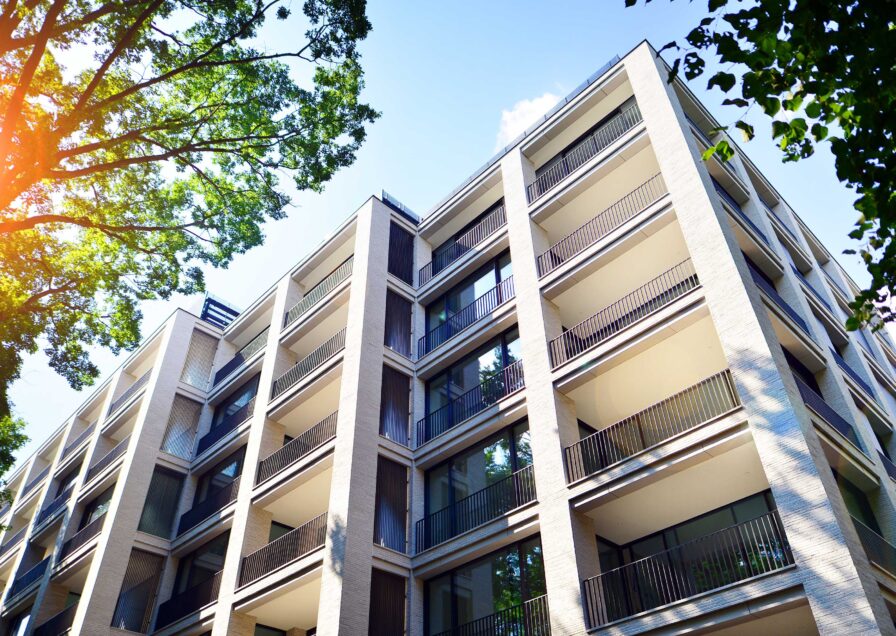
The real estate investment market in Spain consolidated its recovery during the first half of 2026. According to FORCADELL’s new report, the total investment volume reached €10.06 billion, 34.1% more than in the same period of 2025.
The positive performance of the Spanish economy, the strength of domestic demand and the solid results of employment, tourism and the services sector have helped maintain the country’s appeal to both national and international capital. Although decision-making processes remain selective, the market continues to see active participation from institutional investors, REITs, private investors and operating companies.
“Real estate investment has gained depth and stability during the first months of the year. Capital is once again assessing opportunities across virtually all segments, although it is prioritising high-quality, well-located assets with the capacity to generate sustainable income,” says Christian Gracia, Investment, Land and New Construction Director at FORCADELL.
The living segment remains the largest asset class in the market, with investment totalling €3.05 billion, 20.6% more than in the previous year. It represents approximately 30% of the total volume and includes formats such as Build to Rent, affordable housing, flex living, coliving and temporary accommodation.
The structural shortage of housing, demand pressure and difficulties in accessing home ownership continue to reinforce interest from institutional funds, REITs and private investors.
Investment in offices reached €1.85 billion, representing year-on-year growth of 94.7%, one of the highest increases recorded during the first half of the year.
According to FORCADELL data, investors are prioritising modern, efficient and well-connected buildings that meet ESG standards. Madrid and Barcelona continue to account for most of the activity, particularly in prime assets or properties with repositioning potential.
The industrial and logistics sector recorded investment of €930 million, 38.8% more than during the first half of 2025.
Operator demand, the limited availability of modern platforms and increased activity along the main logistics corridors continue to support the segment’s appeal. Madrid, Catalonia and the Mediterranean Corridor remain the leading markets.
Investment in retail units and commercial assets stood at €1.3 billion, 17.7% less than in the previous year.
Despite the decline, retail continues to attract capital interested in established locations, long-term leases and assets with stable income. Private investors and family offices remain particularly active in smaller transactions, especially involving units with solvent tenants or repositioning potential.
Spain continues to benefit from solid real estate fundamentals, particularly in segments with strong demand and a limited supply of high-quality assets. The shortage of prime properties, rental growth and the increasing importance of energy efficiency will continue to drive competition for the best assets.
Nevertheless, inflation, financing costs, interest rates and the geopolitical environment will continue to influence transaction timelines and the returns required by investors.
Newsletter