Menú


Contact FORCADELL
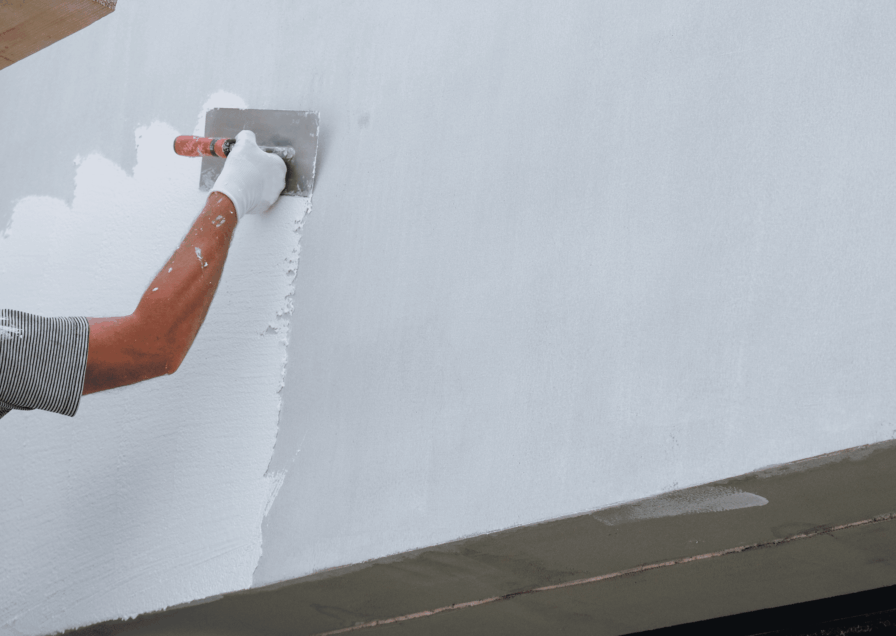
A façade is much more than the exterior appearance of a building. It also acts as a protective barrier against rain, wind, humidity and temperature changes. Over time, however, materials can deteriorate, making it necessary to renew the façade cladding.
Choosing the most suitable solution does not depend solely on aesthetics. It is also important to assess the condition of the building, maintenance requirements, durability and, in some cases, the possibility of improving its insulation.
There are different alternatives, each with its own characteristics.
Mortars and renders
These are among the most common options for renovating façades. They make it possible to create uniform surfaces and adapt colours and textures to the building’s aesthetic.
To achieve a good result, it is important to prepare the substrate correctly and repair any cracks, damp areas or damaged sections beforehand.
Ceramic cladding
Ceramic materials stand out for their durability and the wide variety of finishes available. They can be a good option when looking for a long-lasting façade that requires little maintenance.
Correct installation and secure fixing of the pieces are particularly important to ensure the safety and durability of the system.
Natural stone
Stone provides a solid and elegant appearance and can offer a long service life. It is commonly used in projects seeking a more traditional finish or greater architectural presence.
Before choosing this option, factors such as the weight of the material, the fixing system and the available budget should be taken into account.
Ventilated façades
This system incorporates an air cavity between the exterior cladding and the building wall. It can be combined with different materials and can help improve the thermal performance of the property.
It is a particularly interesting option for certain refurbishment projects, although it requires appropriate technical installation.
External insulation systems
When refurbishing a façade, the project can also be used as an opportunity to improve the building’s insulation.
External thermal insulation systems make it possible to improve the building envelope and can help reduce heat loss, improving indoor comfort.
There is no single solution that is suitable for every building. Before making a decision, several factors should be considered.
The first is the current condition of the façade. If there are cracks, detachments, damp or water infiltration, their cause should be identified before applying a new cladding system.
It is also important to consider the building’s exposure. A façade that is highly exposed to sunlight, rain or wind may require different materials from one that is more sheltered.
Maintenance is another key factor. Some systems require more frequent inspections, while others provide greater durability with fewer interventions.
Finally, the aesthetic appearance, available budget and architectural characteristics of the building should also be taken into account.
Before starting any work, it is advisable to carry out a preliminary assessment of the condition of the façade. This analysis helps identify potential problems, define the necessary work and choose the cladding solution that best suits each case.
Good planning can help prevent future repairs and contribute to extending the service life of the building.
Ultimately, renewing façade cladding not only improves the appearance of a building, but also helps protect it and keep it in better condition.
For this type of work, it is important to rely on specialised professionals such as FJC98 Revestimientos y Edificaciones, a company with experience in cladding, refurbishment, renovation and construction.
Newsletter