Menú


Contact FORCADELL
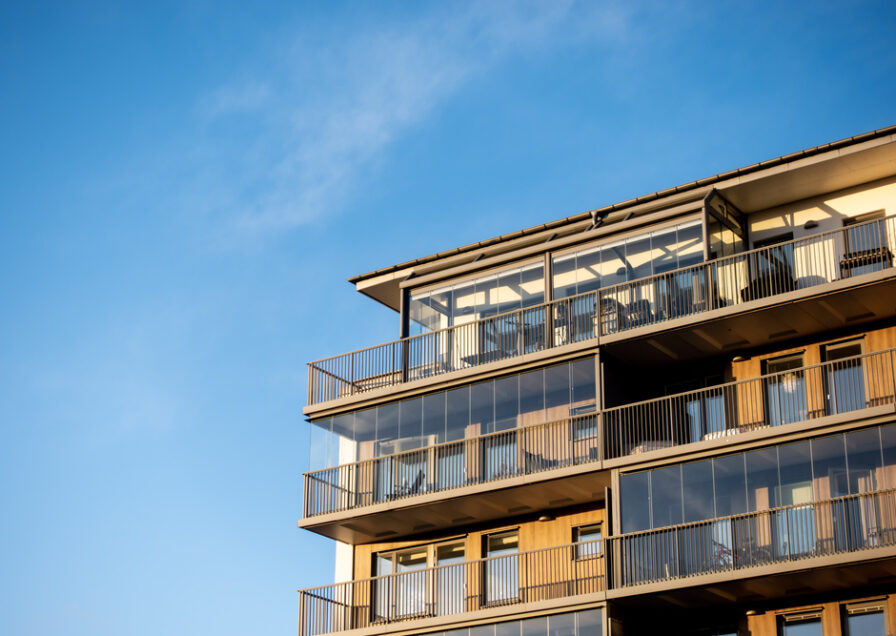
Improving energy efficiency in residential buildings has become a priority for many homeowners’ associations. Rising energy costs, stricter regulatory requirements, and growing awareness of sustainability are driving decisions that were previously postponed.
However, these measures go beyond saving on community expenses. They contribute to better building maintenance, help anticipate potential defects, and protect the property’s asset value.
To achieve these benefits in a real and lasting way, isolated actions are not enough: improving efficiency requires planned and coherent intervention across the entire building. In this post, we outline three essential keys to doing so effectively.
A crucial step in improving energy efficiency focuses on reducing the amount of energy the building needs to maintain adequate comfort conditions.
The building envelope, namely façades, roofs, and joinery, is the main source of thermal losses. Insufficient insulation leads to:
To reduce these losses, specific solutions can be applied:
Façades and roofs: adding thermal insulation on the exterior or interior using materials such as mineral wool, expanded polystyrene, or polyurethane foam.
Joinery and windows: replacing old windows with frames featuring thermal break technology and double or triple glazing, improving insulation and reducing condensation.
Roofs and attics: installing thermal insulation on flat or pitched roofs, including waterproofing systems and protection against leaks.
Reducing demand ensures that any subsequent investment in energy efficiency delivers maximum performance.
Upgrading building services helps reduce consumption, lower emissions, and improve cost predictability.
Among the most common solutions in residential buildings are:
In addition, combining renewable energy generation with efficient systems strengthens the building’s energy independence in the face of price volatility.
Efficiency depends not only on infrastructure: how energy is used and managed makes a significant difference.
In this regard, some actions that can be implemented include:
Automation and control: smart thermostats, occupancy sensors, and lighting management systems to reduce unnecessary consumption.
Consumption monitoring: smart meters or control dashboards that detect anomalies, leaks, or spending peaks.
Preventive maintenance: regular inspections of boilers, heat pumps, and HVAC systems to ensure optimal performance.
Community awareness: encouraging responsible habits among residents, such as adjusting temperature settings or making better use of natural light.
This key enhances and extends the impact of structural and technical improvements, ensuring real and sustained savings over time.
Choosing the right professional can be challenging, but it is essential to ensure efficient and sustainable results.
Ideally, this means working with a team that combines technical expertise, regulatory knowledge, and integrated planning capabilities, so that each intervention is carried out coherently and efficiently.
Specialized companies such as Effic provide guidance from the initial assessment through implementation and performance monitoring.
With the right team, your building can become a benchmark for long-term efficiency, comfort, and sustainability.
Newsletter