Menú


Contact FORCADELL
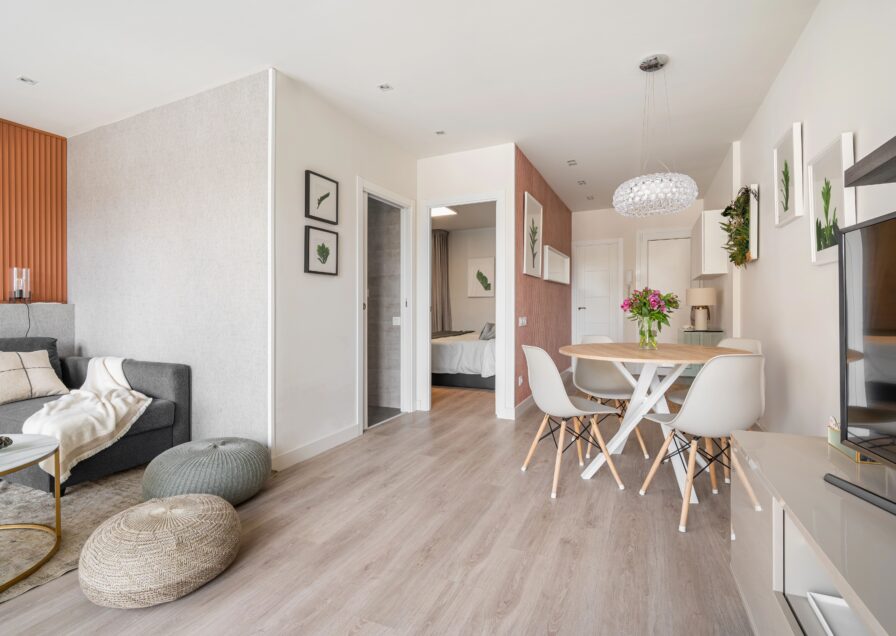
Selling a property is an important decision and, before putting it on the market, it is common for many questions to arise. What is my property really worth? How long will it take to sell? What costs will I have to pay? What documentation do I need?
Understanding the main issues involved in selling a property can help you prepare for the process and make more informed decisions. Below, we look at 7 common questions homeowners ask before selling a flat or house.
Knowing the market value of a property is one of the first steps before putting it up for sale.
The price depends on a number of factors, such as location, size, condition, layout, floor level, orientation, natural light, whether it has a terrace or balcony, the availability of a lift, and the characteristics of the building.
It is also important to take into account the available supply and the prices of similar properties in the area.
Setting a price that is aligned with the market from the outset can help generate greater interest among potential buyers and prevent the property from remaining listed for too long.
Another common question is whether it is better to sell the property now or wait.
The state of the property market is an important factor, but it is not the only one. The owner’s personal circumstances should also be considered, such as a change of residence, an inheritance, the purchase of another property or an investment decision.
To determine whether it is a good time to sell, it is particularly useful to analyse price trends and demand in the specific area where the property is located.
There is no exact timeframe for selling a flat or house.
The time required to sell a property will depend on factors such as the asking price, location, characteristics of the property, its condition, existing demand and how it is marketed.
A property that is accurately valued, professionally presented, supported by high-quality photographs and accompanied by complete information is generally more likely to attract buyers’ attention from the first few weeks.
By contrast, an excessively high asking price can reduce the number of viewings and extend the sales process.
The sale price of a property is one of the most important decisions in the entire process.
It is common to leave some room for negotiation, but setting a price significantly above market value can cause many buyers to dismiss the property before they even arrange a viewing.
To set an appropriate price, it is advisable to analyse similar properties, the current supply, demand in the area and the specific characteristics of the property.
The initial asking price not only influences the final sale price, but also the level of interest the property will generate in the market.
Before starting the sales process, it is important to understand the costs associated with selling a property.
Depending on the circumstances, there may be taxes and other costs related to the transaction, such as municipal capital gains tax, potential taxation on the capital gain, mortgage cancellation costs, or certain administrative procedures and documents.
For this reason, it is advisable to calculate not only the price you would like to obtain for the property, but also an estimate of the net amount you will receive once the sale has been completed.
Preparing the documentation required to sell a property in advance is essential to avoid issues, delays or last-minute requests during the transaction.
The documents that should be reviewed may include the title deed, an up-to-date Land Registry extract, the energy performance certificate, the occupancy certificate, documentation relating to property tax and the owners’ association, as well as the building inspection report or any other technical certificates that may be required.
Reviewing these documents before finding a buyer makes it possible to check that the property’s legal, administrative and technical status is consistent, anticipate potential issues and reach the signing stage with the documentation prepared and the process under greater control.
Some homeowners choose to manage the sale of their property themselves, while others prefer the support of a specialised real estate team.
Selling a property privately means taking responsibility for every stage of the transaction: setting an appropriate asking price, preparing and promoting the listing, managing enquiries and viewings, screening potential buyers, negotiating the terms of the sale and coordinating all the necessary documentation and procedures through to completion.
Working with professional real estate advisers allows homeowners to approach the process with broader market insight and a clearly defined strategy from the outset. An accurate valuation, appropriate presentation of the property, the selection of qualified buyers and well-managed negotiations can be crucial in protecting the owner’s interests and moving towards a secure and efficient transaction.
At FORCADELL, we support property owners throughout the entire sales process, from the initial analysis of the property and the definition of the asking price through to marketing, negotiation and completion of the transaction. Our aim is to define a strategy tailored to each property and to current market conditions, anticipating potential issues and helping the owner make informed decisions at every stage.
Are you considering selling your property? Knowing its market value is a good place to start.
Newsletter